A Guide to Getting a Full Mouth Reconstruction
Having a full mouth reconstruction is an important procedure to renew your smile and get your oral health back on track. These procedures can be invasive and involved, so it is normal to feel some nervousness. If you are worried about what will take place, it is helpful to learn as much about this process as you can. You can also talk to your dentist about what to expect. The more you know, the more comfortable you can feel going into this treatment. The results can be satisfying for years to come.
Typical issues that may require a full mouth reconstruction
People who are diligent about daily brushing and flossing should be able to maintain healthy, strong teeth. When an individual neglects these habits, serious conditions can result. Tooth decay and gum disease are two of the most common problems that a general dentist will treat. In the most severe cases, these issues can lead to tooth loss and bone loss. Teeth can chip, crack, and break, causing both cosmetic and health concerns. Accidents and injuries can also damage teeth and affect a person’s appearance.
Consultation at the dentist’s office
No dentist will do a full mouth reconstruction without first talking to the patient about the procedure. A consultation appointment will outline the patient’s needs and how this treatment can solve even the most troubling concerns. The dentist will walk the person through what happens before, during, and after the procedure. There will also be a conversation about any risks or side effects there may be. The patient should not be shy about asking questions or voicing any anxieties they have.
Selecting the right treatment
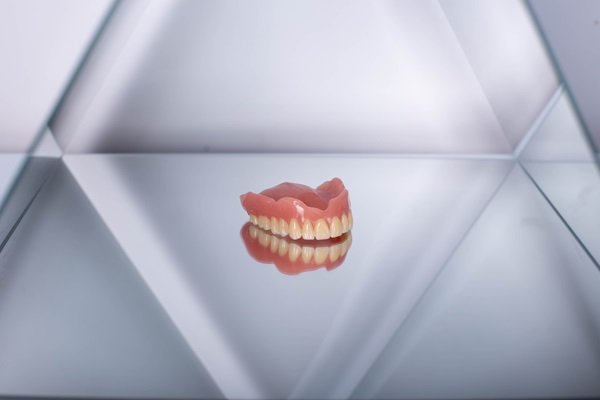
When a patient is missing many, most, or all of their teeth, the dentist will recommend a few options. For complete tooth replacement, dentures make a lot of sense. The dentist can fit the person with traditional dentures where the base sits directly on the gums. Or, there is an implant-supported dentures choice where the denture base snaps into four implants on each jaw. Dental implants can also work well to replace teeth. This alternative is more durable but requires a bigger financial commitment.
To repair broken, cracked, or severely decayed teeth, a full mouth reconstruction may come from crowns, bridges, or veneers. These devices protect teeth from further damage and restore their form. Onlays and inlays are good options too. These are pre-molded and do not require the dentist to reshape the affected teeth.
Recovery and care
After a full mouth reconstruction, the patient should take at least 24 hours to rest. There will be some pain and soreness, so taking medication and using an ice pack can help relieve the discomfort. The patient should be cautious about eating hard, sticky, or chewy foods. It is important to continue to brush and floss each day.
The right approach for your health and looks
If you need a full mouth reconstruction, your dentist can help. This professional has the knowledge and training to give you the results you want. Schedule a consultation today. Also, follow these guidelines to have a successful treatment.
Request an appointment here: https://www.harborsidedental.com or call Harborside Dental at (231) 943-6076 for an appointment in our Traverse City office.
Check out what others are saying about our dental services on Yelp: Full Mouth Reconstruction in Traverse City, MI.
Related Posts
A cosmetic dentist often hears concerns about whitening discomfort and can explain why sensitivity sometimes increases during treatment. Whitening products lift stains by allowing active ingredients to move through enamel, which can temporarily irritate the tooth's inner structures. Understanding what causes sensitivity and how to reduce it helps patients pursue a brighter smile more comfortably.Whitening…
Finding a dentist near me for emergency care can make a stressful dental problem feel more manageable and less overwhelming. Sudden tooth pain, swelling, a broken tooth, or a knocked-out tooth needs prompt attention from a trusted dental team. Our general dentist, who provides emergency care, can evaluate the problem, relieve discomfort, and recommend the…
Dental crowns are an effective solution for restoring damaged and decayed teeth. They protect the tooth from further damage while enhancing its appearance, blending in with the rest of your smile. However, it can be difficult to choose between the many types of crowns, such as porcelain and metal, as each of these materials has…
A dental crown is a tooth-shaped cap that reinforces, repairs, or replaces badly damaged teeth. It is one of the strongest and most versatile dental restorations. In addition to its role in tooth replacement, a dentist may recommend a crown when a tooth is so badly damaged that more minor restorations, such as fillings and…